How Chinese Robotics Are Revolutionizing Solar Panel Installation and What It Means for Renewable Energy
Dec 26, 2025
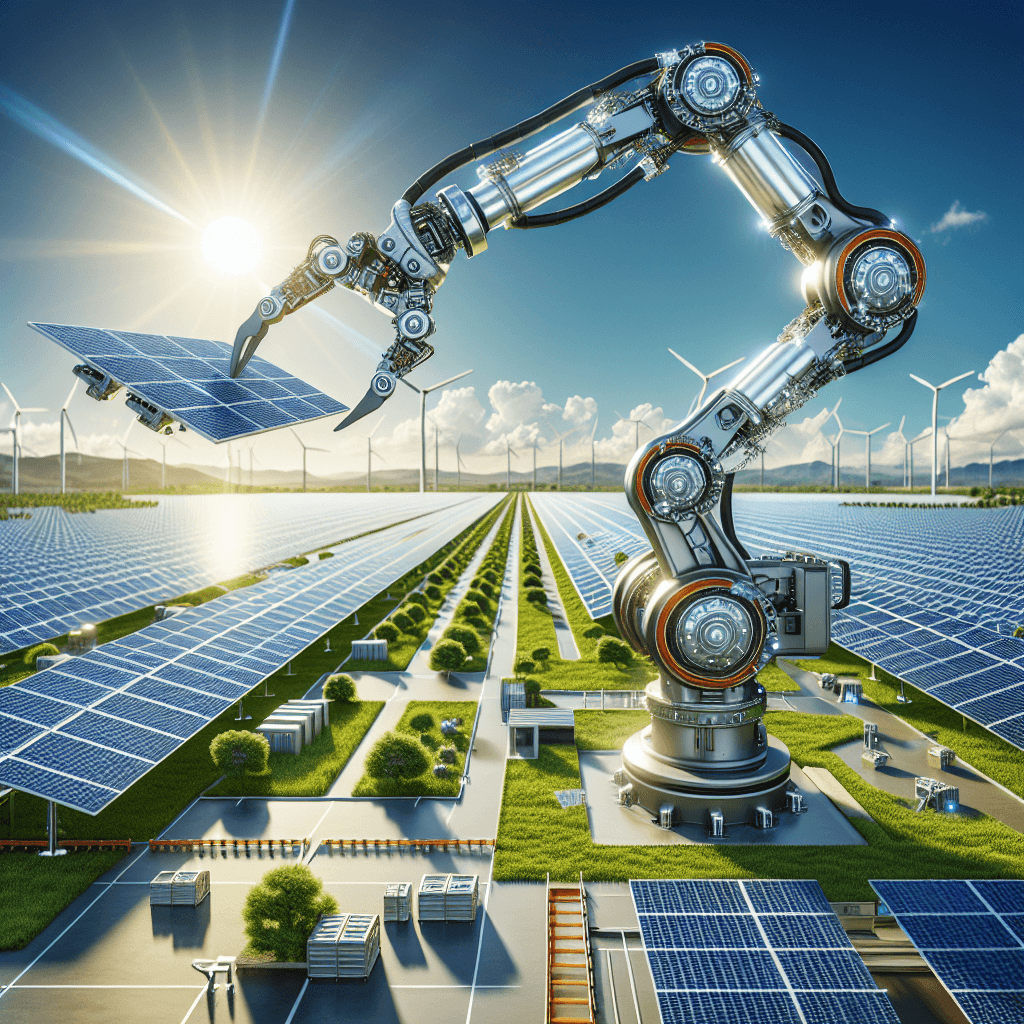
The rapid advancement of robotics in China is transforming the solar industry in ways many did not anticipate. Robotic arms are now handling the installation of solar panels on Chinese solar farms faster, safer, and more efficiently than human workers without needing coffee breaks or rest. This surge in automation is not just a cost-saving maneuver but a critical step in scaling renewable energy infrastructure, especially in challenging terrains.
Robotics Meet Renewable Energy
Traditionally, manual installation of solar panels has been labor-intensive, time-consuming, and limited to relatively flat, easy-to-access lands. Chinese companies have deployed robotic systems capable of flexible positioning to adapt to uneven terrain. This innovation is game-changing because it overcomes one of the biggest barriers to solar farm expansion: the need for perfectly flat land. Meanwhile, in Japan, startups like GITAI have field-tested construction robots that can deploy solar panels and perform welding in demanding outdoor conditions.
These systems’ ability to work reliably outdoors opens new possibilities for renewable energy development across diverse geographies. Considering the global solar market is projected to reach $500 billion soon, the stakes in accelerating automation in solar panel deployment are incredibly high.
The Scale of China's Solar Ambition
China has already based its global leadership on renewable capacity, installing some 480 gigawatts of solar power by 2026 and surpassing those levels rapidly. This scale is unprecedented and reflects the country’s commitment to leveraging both state planning and cutting-edge technology like robotics to dominate green energy.
AI and Robotics: A Growing Duo in Renewable Energy
This robotics breakthrough fits into a broader trend of AI and advanced technology shaping the energy and manufacturing sectors. For example, AI companies like Everbloom are deploying models to recycle waste fibers into new fabrics, showing how AI contributes to sustainability beyond just energy.
What This Means for Businesses and Developers
For solar farm developers and energy companies, embracing automation and AI can unlock remarkable efficiency and scalability. It reduces reliance on manual labor, minimizes installation errors, and enhances safety. Moreover, the flexibility of robotic systems allows projects on varied terrains that were previously cost or technically prohibitive.
This innovation also signals a shift in project planning and execution, encouraging investments that factor in automated installation from the outset.
Leveraging AI for Operational Excellence
Companies such as Leida specialize in identifying workflow bottlenecks and integrating AI to optimize processes. Whether through robotic deployment in renewable energy or AI-enhanced operational management, the future favors businesses that harness these technologies effectively.
If your business is exploring how AI or robotics could fit into your renewable energy projects or broader operations, there is tremendous opportunity available.
If you are curious how AI could uncover hidden bottlenecks in your workflows, book a call with our team below.
Book Discovery Call